
Although we may not talk about it much, grief is an inevitable part of life. We can experience grief from bereavement (when someone dies), which may be recent, or perhaps older losses that still carry weight. We can also grieve for other things, such as the loss of relationships, our health (or someone else’s), our home, or our identity, to name a few examples.
In healthcare, we often face situations that involve difficult diagnoses, emotional and physical distress, and end-of-life care. We may be affected both by the loss of patients that we’ve built a connection with, and through ‘vicarious’ grief – when we witness and absorb the pain of those we’re supporting. Our work may also trigger personal memories and emotions, and the grief from different areas of our life can overlap.
In these roles, we tend to be under a lot of pressure, and we may not always feel like we have time to step back and process how we’re feeling, or we may worry this will be seen as a weakness. But acknowledging the challenges and tending to our own needs is important, both for our individual wellbeing, and to create a healthier culture for our colleagues and patients.
Having insight into grief can be a real strength in our career, if we turn experience into compassion, and it can be hugely rewarding to support others through difficult life moments, but that doesn’t undermine how hard it can feel at times.
How Grief Might Affect You
- Emotional ups and downs: You might feel heartbroken, numb, anxious, irritable, guilty, or angry, to name just a few examples. Some people think of grief coming in waves – some days these might be calm, other days you might be overwhelmed.
- Changes in concentration and motivation: Grief can affect cognitive processing, making tasks feel more demanding than usual. You may find it harder to focus or to get work done to the usual quality.
- Physical symptoms: It’s common for people to experience tiredness, disrupted sleep, headaches, or changes to appetite and digestion, as a few examples.
- Relationships: Difficult times and big life changes can affect relationships. You might feel misunderstood or unsupported; you might worry about being a burden; or perhaps take out your grief on others. It sometimes takes time to find your people, navigate tensions, and learn to communicate, but it’s possible to connect and deepen relationships as you share your vulnerabilities.
- Difficult decisions: If you are experiencing significant grief, you might have to make decisions about how to continue your studies. You may start questioning what you want to do with your life, or whether you need time out. Remember it’s healthy to question things and doesn’t mean you’re a failure! Your choice will depend on a whole range of factors.
- Triggers in clinical environments: Certain subjects or patient encounters may bring up memories and emotions. That does not mean you’re not capable, or professional. It’s a sign that you’re human, and you just may need a bit of extra support, or time to adjust.
Ways to Support Yourself
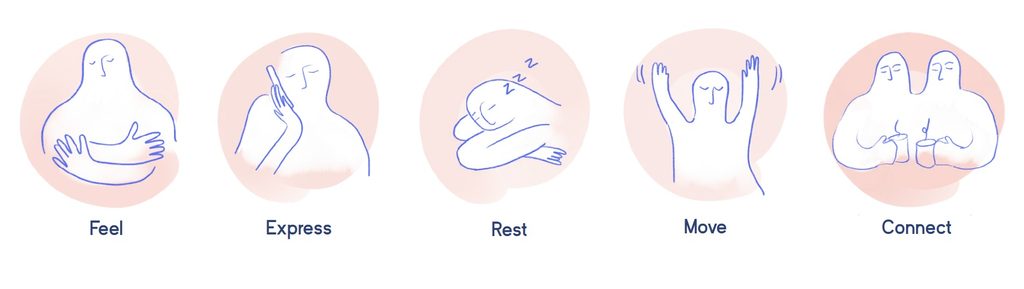
- Acknowledge your grief: Grief is a normal human experience, with a range of emotions and challenges. Give yourself permission to go through the ups and downs. In the long-term it’s healthier to let ourselves grieve than to keep things bottled up.
- Speak with your school early: Personal tutors, student support teams and placement leads may be able to help with extensions, mitigating circumstances or adjustment of clinical duties.
- Identify triggers and plan ahead: If certain clinical areas or lectures feel difficult, discuss temporary adjustments or additional supervision, or even just mentally preparing yourself can help.
- Use available support services: Many universities offer wellbeing services like counselling, chaplaincy, and/or peer networks. You can also check out the organisations recommended here – from online talking groups, to podcasts and apps.
- Lean on your personal support system. Friends or family may be able to offer a listening ear, or simply some company. You’re not a burden – think about how you would respond to a friend reaching out – it may feel a bit awkward at first, but vulnerability deepens connections.
- Create small, manageable routines: Short study blocks, gentle exercise, and getting enough sleep can all add a bit of stability in difficult times. Remember to build in some times for light-hearted things you enjoy too, if you feel up for it.
- Be kind to yourself: Reduced productivity or emotional sensitivity doesn’t mean you’re failing, it means you’re human. Seeking support isn’t a weakness, but will allow you to become more resilient and grow personally and professionally.
- For more general tips, visit our Managing Grief page.
Student Stories

Reflections from Andrew Durham
“We started going into hospital in our third year. I had a placement in intensive care. After my own experiences of loss, I was naturally apprehensive.
Before going to medical school, I’d done some work experience in the same hospital where my dad had died. At one point I had to go back to THAT intensive care department. On the walk up there, I could feel my heartrate go up, my palms start to sweat, and I felt sick.
This memory came back vividly during the induction talk we had as students. I felt the same reaction brewing inside me and when she went on to talk about organ donation, I had to turn my head away.
The consultant was very understanding, and agreed to come with me on the ward rounds in case it became too much, but strangely I didn’t feel like I needed any pastoral support when the time came. None of those old emotions surfaced and I had a really good time during that week.
Why did I not have such a strong response to being back in intensive care this time? Probably because I talked about it. By having to articulate how I was feeling, it helped me to comprehend my emotions and how I could move forward with them.”

Reflections from Abdulwali Yasini
“Coming to the UK was one of the biggest changes in my life. I moved here after losing my mother, who was a judge in Afghanistan. Losing her was one of the hardest things I’ve ever gone through. Since then, my brother and I have really only had each other, so moving to a completely new country while dealing with grief was not easy at all.
At the same time, I had to continue with my studies and adapt to medical school. I think people sometimes underestimate how emotionally difficult medicine can be, especially when someone is dealing with personal loss. There are long hours, pressure, exhaustion, and this constant feeling that you need to keep going no matter what is happening in your personal life. Grief does not suddenly stop just because you have lectures, exams, or placements.
One of the things that helped me the most during that time was simply having someone who would listen to me. Not necessarily someone with answers, but someone who was there and understood.
I think this is especially important in medicine because as future doctors we will all face difficult moments. We will meet patients who are suffering and sometimes we will see situations where treatment is not enough. That can stay with you emotionally, especially when you are already carrying your own experiences of loss.
Going through all of this taught me a lot about empathy and understanding people on a deeper level. It also showed me how much of a difference simple kindness and support can make in someone’s life.”
Tips for Staff Supporting Students
- Acknowledge that grief is different for everyone, and can have a huge impact on many areas of a students life, such as mental health, physical health, social relationships and academic performance.
- Offer opportunities to talk but don’t force it: Often students just want someone to show they care. Listen, without jumping straight to solutions. Consider when/where this would feel comfortable e.g. a quiet space, when you both have time. Avoid assumptions and ask open questions e.g. instead of “this must be awful”, try “how have you been finding coming back to university?”. Remember not to pressure anyone – some students may prefer privacy.
- Provide practical support when possible: Grief can make everyday tasks harder, including navigating appointments and paperwork. Offer concrete help – instead of “let me know if I can do anything”, ask “shall we fill in the form together?”, “can I contact X for you?”, or “do you want me to email a list of grief resources?”.
- Signpost to other resources and organisations: Remind students of the university support services, as well as other organisations, helpful websites, even books and podcasts. Some students may need emotional support, others may need help with more practical things. You don’t have to be an expert or know every option, but can you point them in the right direction or look together? Find some signposting ideas here.
- Find further tips for supporting students, via our collaboration with UKAT here.